
Donald Trump Proposes Massive Tariff Dividend, Critics Slam Plan as Political Ploy
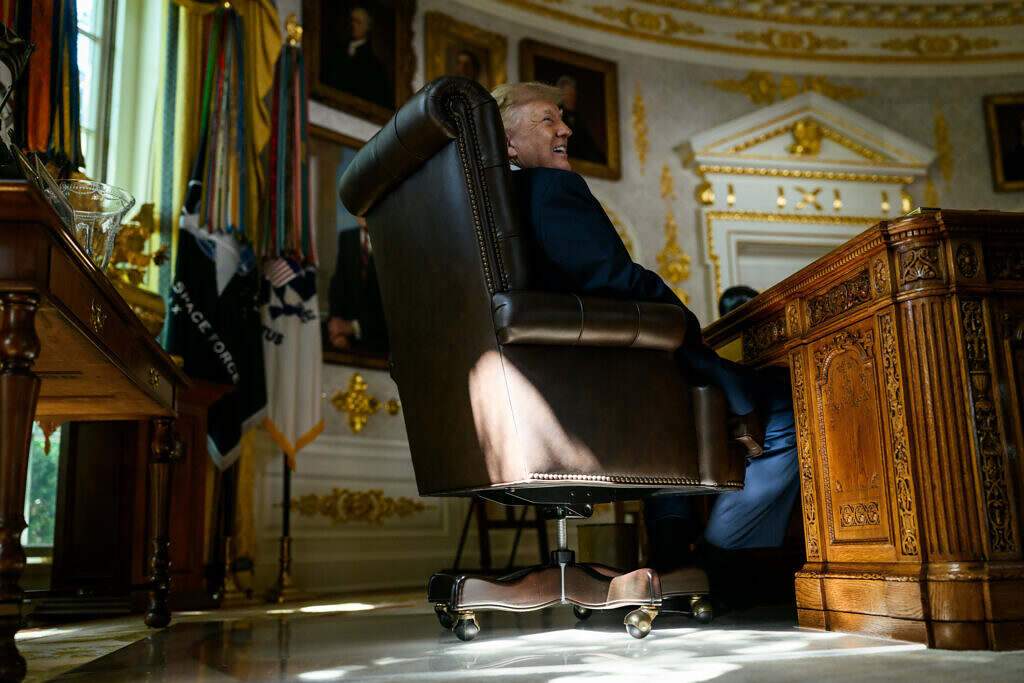
Donald Trump unveiled a controversial trade dividend initiative on September 10, 2026, promising a financial payout funded directly by aggressive federal tariff policies. The proposition immediately sparked widespread national discussion regarding its economic viability and the realistic timeline for implementation.
The administration's trade agenda relies heavily on revenue generated from imported goods, proposing that a portion of these funds be funneled back to citizens as direct checks. However, critics have questioned whether the projected revenue will materialize as expected or simply drive up consumer prices on everyday items.
"Only an idiot would believe he will deliver on this," noted a prominent political commentator, reflecting the deep skepticism harbored by opponents regarding the administration's financial promises.
Economic analysts emphasize that utilizing tariff revenue for direct citizen payouts carries significant market risks, potentially triggering retaliatory trade actions from international partners. Furthermore, critics argue that the plan fails to address the underlying structural vulnerabilities facing domestic industries and small businesses.
Federal revenue agencies will review the logistical framework of the proposed dividend while lawmakers debate its long-term impact on the national debt and consumer inflation indices.

Artikel Lainnya
The British pound has emerged as a surprising top performer among G10 currencies this year, defying political turbulence...
Long-term U.S. Treasury yields surged to levels not seen since 2007 after a massive sell-off by investors. Despite Treas...
U.S. crude oil prices surged above $102 per barrel this week, driven by escalating conflict in the Middle East and the c...
President Donald Trump stated during a trip to Ireland that the war in Iran will likely conclude shortly after November'...
American households face a renewed financial squeeze as consumer prices outpace wage growth, erasing recent purchasing p...