
British Pound Faces Growing Risks, Currency Star Could Stumble As Global Peers Hike Rates
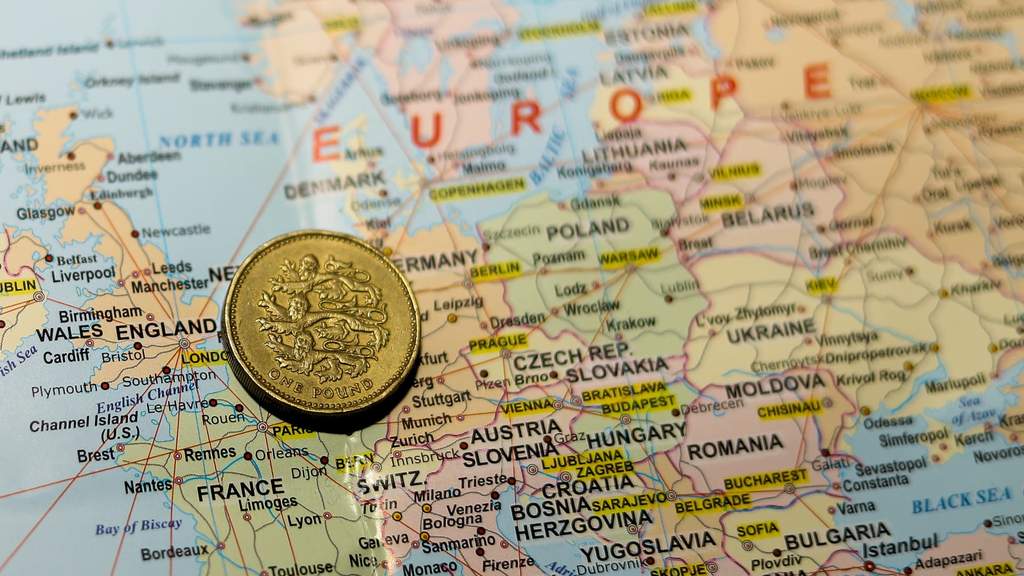
The British pound has largely shrugged off political upheaval and geopolitical shocks to outperform many of its G10 peers year-to-date, but mounting pressures threaten to deepen its recent weakness. Sterling has gained approximately 1.6% against the euro and 2.8% against the Swiss franc while remaining near-flat against the U.S. dollar. This resilience persisted despite the resignation of Prime Minister Keir Starmer on July 20, which marked Britain's seventh leadership change in a decade.
Strong economic indicators earlier in the year underpinned the currency's unexpected vigor, with gross domestic product expanding by 0.6% in the first quarter and 0.4% in the second quarter. Sunny weather, consumer spending boosts from the FIFA World Cup, and elevated inflation near 3% provided temporary support. Matthew Ryan of Ebury noted that a smooth transition of power "removed a potential banana skin and eased the perceived political risk premium attached to the pound."
Despite these gains, the Bank of England has kept its key interest rate steady at 3.75%, creating a growing divergence with international peers. Market expectations favor incoming rate hikes by the European Central Bank and the Federal Reserve, which typically strengthen rival currencies. Jane Foley of Rabobank explained that dovish messaging could "further expose the pound" ahead of Prime Minister Andy Burnham's first annual budget announcement on October 28.
Financial markets remain wary of the upcoming fiscal policy announcements under new Finance Minister John Healey. Analysts project that debt issuance and ancillary tax modifications might be necessary to fund the administration's spending goals. Matthew Ryan cautioned that any fiscal measures perceived as dampening private sector growth while expanding government borrowing will trigger market jitters and weigh heavily on sterling.
The currency will officially shift away from its recent outperformer status as global monetary tightening fully takes effect and domestic borrowing costs rise. International investors are reallocating capital toward markets with higher yield trajectories, leaving the U.K. economy exposed to sharper capital outflows before the end of the fourth quarter.

Artikel Lainnya
Long-term U.S. Treasury yields surged to levels not seen since 2007 after a massive sell-off by investors. Despite Treas...
U.S. crude oil prices surged above $102 per barrel this week, driven by escalating conflict in the Middle East and the c...
President Donald Trump stated during a trip to Ireland that the war in Iran will likely conclude shortly after November'...
American households face a renewed financial squeeze as consumer prices outpace wage growth, erasing recent purchasing p...
The grassroots 'Write-In Ralph' campaign is gaining significant traction across South Carolina, igniting intense debates...